
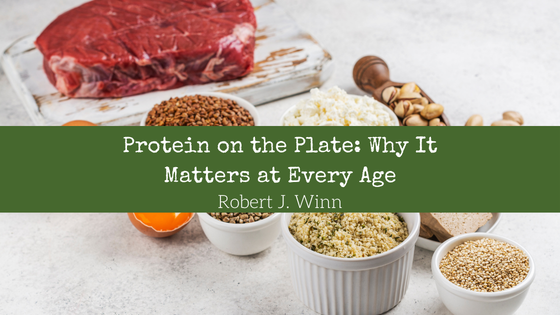
Protein is often associated with athletes and intense workouts, but its importance extends far beyond fitness. It is a fundamental nutrient that the body uses for many everyday functions, making protein-rich foods a valuable part of meals throughout life.
From childhood and adolescence to adulthood and older age, nutritional needs evolve. While the amount and sources of protein a person needs can vary, building meals that include a source of protein can be a simple way to support overall nourishment.
A Building Block for the Body
Protein contributes to the structure and maintenance of muscles and other tissues. The body is constantly renewing and repairing itself, making adequate nutrition an important part of everyday wellbeing.
For growing children and teenagers, balanced meals provide nutrients needed during periods of physical development. Adults also benefit from regular sources of protein as part of an overall varied diet.
As people age, maintaining muscle and physical strength becomes increasingly important for everyday mobility and independence. This makes thoughtful nutrition an important part of healthy aging.
Why Spread Protein Across the Day?
Rather than thinking about protein as something reserved for one particular meal, incorporating a protein source into breakfast, lunch, dinner, and appropriate snacks can help create a more balanced eating pattern.
Breakfast might include eggs, yogurt, milk, beans, or another protein-rich food. Lunch could feature lentils, chicken, fish, tofu, beans, or other options. Dinner can similarly combine vegetables, grains, and a protein source.
Spreading nutritious foods across meals can also make it easier to create satisfying, varied meals rather than relying heavily on one food group.
There Is More Than One Source
Protein comes from a wide range of foods, meaning there is plenty of room for personal preference and cultural traditions.
Animal-based sources include eggs, dairy, poultry, fish, and other meats. Plant-based choices include lentils, beans, peas, soy foods, nuts, seeds, and other legumes.
Combining different foods throughout the day can create variety while making meals more enjoyable.
Protein Through Different Life Stages
The role of protein can look different at different ages. Children need balanced nutrition to support growth and development. Adults may incorporate protein as part of meals that support an active lifestyle and everyday wellbeing. Older adults may place greater emphasis on maintaining strength and independence as part of healthy aging.
Individual nutritional needs can vary based on age, activity level, health circumstances, and other factors. For personalized guidance, speaking with a qualified healthcare or nutrition professional is appropriate.
Make Every Meal Count
Eating well does not have to mean following complicated rules. A simple approach can be to look at each meal and ask whether it includes a variety of nourishing foods.
Adding a protein-rich food is one part of that picture, alongside vegetables and fruits, whole grains or other carbohydrates, healthy fats, and adequate fluids.
Protein is not a trend reserved for fitness enthusiasts. It is part of everyday nourishment at every stage of life. By making protein-rich foods a regular part of meals, we can create eating habits that support strength, variety, and overall wellbeing—from childhood through healthy aging.